
Loading...
Serving Chula Vista, CA and surrounding areas. (858) 341-2115
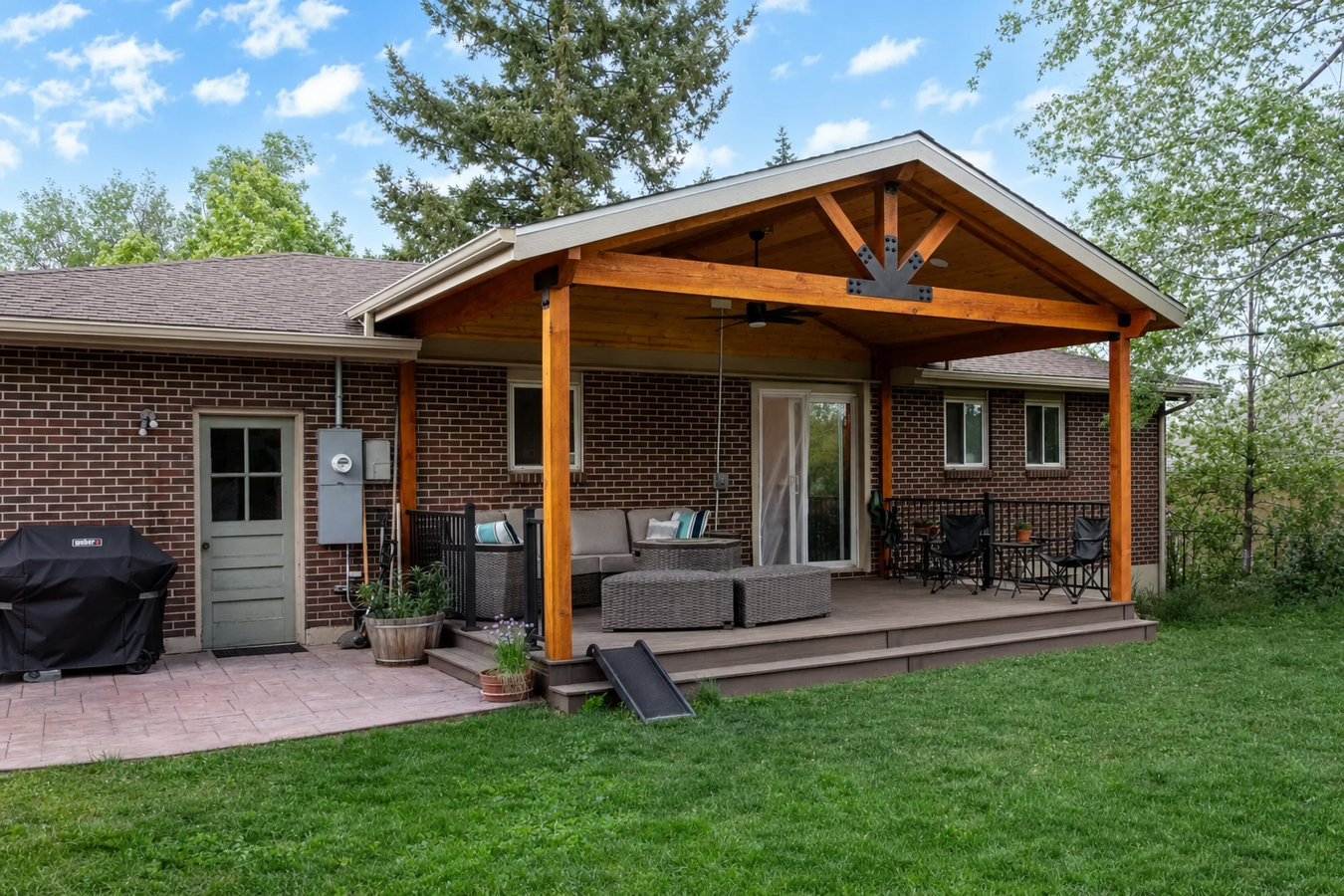
Stop avoiding your backyard because the sun is too intense. A permitted, properly built patio cover gives you shade, weather protection, and a space you actually want to spend time in.
Covered deck and patio cover installation in Chula Vista means building a permanent or semi-permanent roof structure over your outdoor living space, most projects take one to three weeks of active construction once permits and HOA approvals are in hand.
Chula Vista averages over 260 sunny days per year, which is exactly why a covered outdoor space pays off here more than in most parts of the country. That same intense sun degrades materials quickly, so the choice of aluminum, wood, or vinyl - and the finish and hardware used - matters for how long the cover holds up without maintenance problems. Many homeowners who want a more enclosed feel pair a cover with screened-in porches and screened decks - a solid roof overhead combined with screen panels on the sides gives you both weather protection and a bug-free environment.
If your home is in one of Chula Vista's master-planned communities - Eastlake, Otay Ranch, or Rolling Hills Ranch - you will need HOA approval before the city permit can be filed. We manage both processes as part of every project, so you are not left tracking two separate approval queues on your own.
If the sun makes your patio uncomfortable for most of the day, a cover would give you that space back. In Chula Vista, south- and west-facing backyards can reach uncomfortable temperatures by mid-morning in summer, and even spring and fall afternoons can be harsh without any shade structure overhead.
If you have a concrete patio but nothing over it, you are leaving usable square footage on the table. Unprotected slabs in Chula Vista's climate get hot underfoot and fade from UV exposure over time. A cover protects the slab itself and makes the space genuinely comfortable to use through the warmer months.
If you have gone through two or three patio umbrellas or pop-up canopies because the wind or sun destroys them, that is a sign you need something permanent. Chula Vista gets seasonal Santa Ana winds that can shred temporary shade structures overnight. A properly permitted, anchored patio cover will not move in the wind and will not need replacing every season.
If you have thought about adding a fan or lights to your patio but realized there is no structure to attach them to, a covered deck or patio cover solves that problem directly. A framed cover gives you a place to run wiring safely and mount fixtures properly - turning your backyard into a space you can actually use after dark.
The most common request we get is for an attached cover that extends from the back of the house over an existing patio slab - it feels like a natural extension of the home, it uses the house wall for support, and it is the most straightforward project to permit and build. Freestanding covers are the right call when you want to cover a pool area, a spa, or a seating area that sits away from the house. Both approaches use the same structural principles - posts in concrete footings, a secure frame, and a roof surface chosen for Chula Vista's conditions. If you are interested in a more open overhead structure with no roof material, our pergola installation page covers that option in detail - pergolas work well when you want shade and structure without a fully enclosed overhead feel.
For homeowners who want both a cover and the option to enclose the sides later, we plan the frame and electrical rough-in at the start so adding screened-in porches and screened decks panels down the road is a straightforward addition rather than a major retrofit. Every project starts with a free on-site visit, a written quote, and honest advice on which approach fits your yard and your budget.
Connects directly to your home's exterior wall or fascia - the most common style in Chula Vista because it extends the feel of the home's interior into the backyard.
Stands on its own posts and can be placed anywhere in the yard - ideal for covering a pool, spa, or a seating area away from the house.
A continuous surface - corrugated aluminum, polycarbonate panels, or a shingled roof - that blocks sun and rain completely and allows electrical work overhead.
A grid-style top that filters light and provides partial shade at a lower cost - a good fit when a fully covered feel would make the space too dark.
Chula Vista's residential growth since the 1990s produced large numbers of homes with modest backyards and concrete patio slabs that came with the original build - functional, but with no shade and no weather protection. Many of those slabs are now 15 to 30 years old and still sitting uncovered. At the same time, the San Diego real estate market consistently values finished, usable outdoor living space, which means a well-built, permitted patio cover can be both a lifestyle upgrade and a genuine selling point when it is time to move. Homeowners in Poway and Bonita face the same combination of intense sun, seasonal wind, and HOA requirements that shape patio cover projects throughout this part of San Diego County.
The coastal influence from San Diego Bay means salt air is a real factor for any outdoor structure, particularly in western Chula Vista neighborhoods. Powder-coated aluminum holds up far better than painted steel or untreated wood in these conditions, and stainless fasteners prevent the rust staining that standard hardware develops within a year or two near the coast. Seasonal Santa Ana winds also require that posts be set in properly sized concrete footings - a detail the city's permit inspection process checks for. For official permit information and processing times, the City of Chula Vista Development Services department is the direct resource. The North American Deck and Railing Association also publishes homeowner resources on outdoor structure best practices.
We schedule a visit to your home within one business day of your request. We look at your backyard, take measurements, and walk through your goals and budget. A written estimate follows within a week.
Once you agree on a design and sign a contract, we prepare drawings and submit them to the City of Chula Vista for a building permit. If your neighborhood has an HOA, that application goes in at the same time. Both submissions run concurrently to minimize your wait.
We call 811 before any digging begins to have underground utilities marked - required by California law and included in every job. Posts are set in concrete footings, the frame is built and attached, and roofing material goes on last. Most projects take one to three weeks of active construction.
The city inspector visits to verify the structure meets the approved plans - we coordinate the scheduling. After the inspection passes, we do a final cleanup and walk through the finished structure with you before closing out the job.
We will come out, take measurements, and give you a written estimate that includes permit costs - no obligation, no sales pitch, just a clear picture of what your project involves.
(858) 341-2115Salt air and year-round UV exposure are hard on outdoor structures that were not built with this climate in mind. We specify powder-coated aluminum, stainless hardware, and UV-resistant finishes for every Chula Vista project - the same details that determine whether a cover looks good in five years or starts showing rust and fade.
Navigating both Chula Vista's city permit process and your HOA's design review simultaneously is one of the main reasons homeowners stall on this project. We manage both submissions, track approvals, and keep you updated - you should not have to make calls to city offices or wait on hold to check permit status.
A properly built patio cover uses concrete footings set at the right depth and a frame securely attached to your home or those footings. In Chula Vista, where seasonal Santa Ana winds can be strong, the quality of the footings is what separates a structure that stands firm from one that shifts or leans. Every cover we build is permitted and inspected, which confirms the wind load design was reviewed before sign-off.
You receive a proposal that spells out every element - size, materials, electrical if applicable, timeline, and permit costs - before work begins. If a condition arises that could change the price, we discuss it with you before proceeding. No surprises on the invoice.
We handle both the city permit process and HOA approval from start to finish, so you are not spending evenings on hold with development services or resubmitting drawings to an architectural committee. Verify our California contractor license anytime at cslb.ca.gov - it takes about two minutes and confirms we are legally licensed to do this work in California.
An open overhead structure with no roofing material - a good fit when you want shade and style without a fully enclosed overhead feel.
Learn MoreEnclose the sides of your covered outdoor space with screen panels to keep bugs and dust out while preserving airflow.
Learn MorePermit processing times in Chula Vista mean the sooner you start, the sooner your backyard becomes usable - reach out today for a no-obligation written estimate.