
Loading...
Serving Chula Vista, CA and surrounding areas. (858) 341-2115
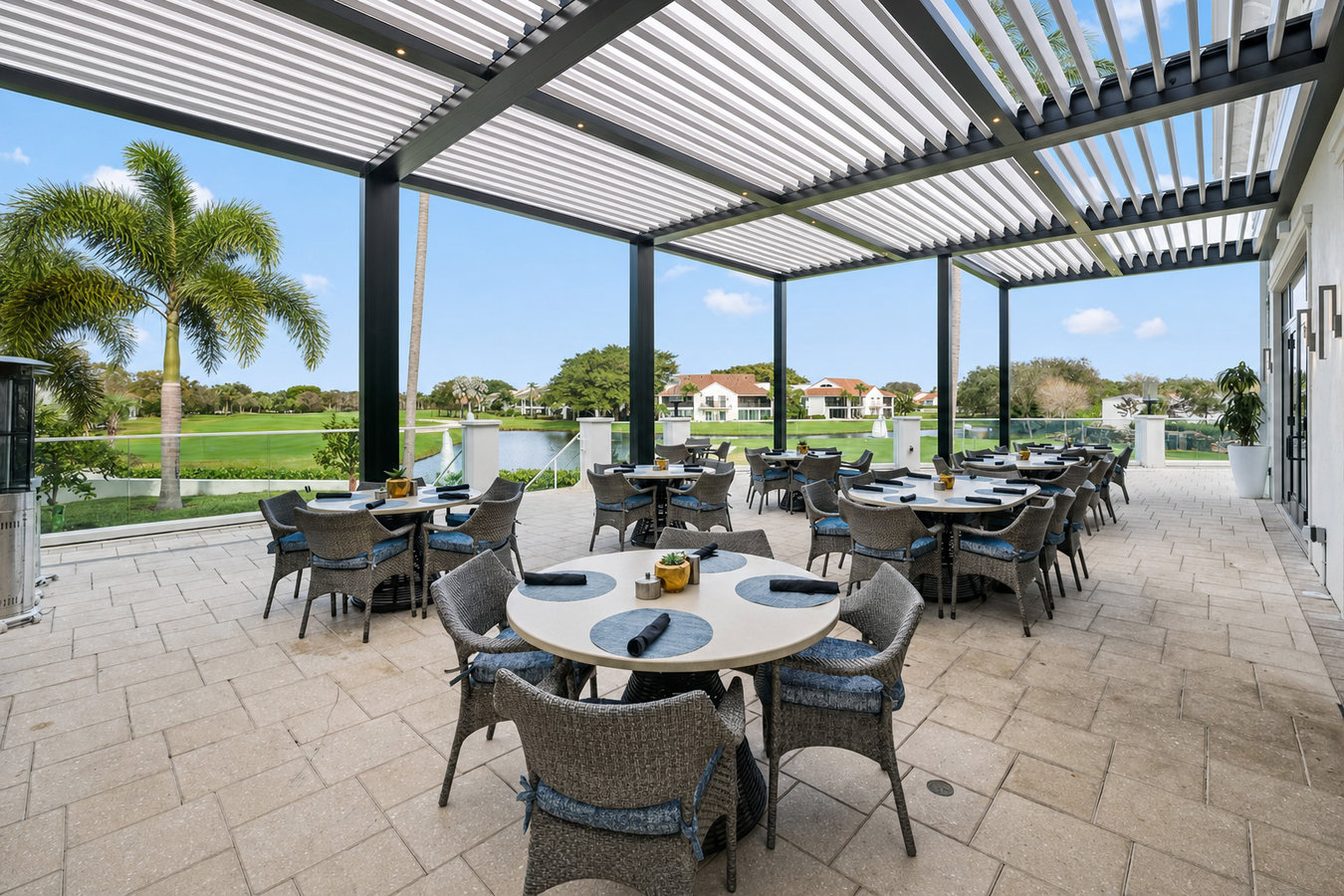
Stop avoiding your backyard in the afternoon. A properly built, permitted pergola gives your outdoor space a real anchor - shade, style, and a reason to spend time outside.
Pergola installation in Chula Vista means building an open-beam structure over your outdoor living space using posts, beams, and crosshatched rafters, most standard builds are framed and standing within one to three days once permits are in hand.
A pergola is different from a covered deck or patio cover - it has an open roof rather than a solid surface, which filters light, defines the space, and gives you a framework for lights, fans, or climbing plants without fully enclosing the overhead area. That distinction also matters for HOA rules: many Chula Vista communities that restrict solid patio covers will approve a pergola design without issue. In Chula Vista, the city requires permits for most attached pergolas and for freestanding structures above a certain size - a step that protects you at resale and confirms the work meets safety standards.
If you live in Eastlake, Otay Ranch, Rolling Hills Ranch, or another master-planned community, HOA approval is a separate step that runs alongside the city permit process. We manage both from start to finish, so you are not tracking two approval queues on your own.
Chula Vista's south- and west-facing yards can become genuinely uncomfortable by early afternoon from spring through fall. If you are retreating inside after noon or your patio furniture sits unused because it is too hot to sit there, a pergola with a shade sail or climbing plants can make that space livable again without blocking the sky entirely.
A bare slab or deck without any overhead structure often feels like a transitional space rather than a real outdoor room. If you have been meaning to do something with your backyard for a couple of years but cannot picture what it should look like, a pergola is often the anchor that makes everything fall into place - it gives the space a ceiling and a reason to add furniture, lighting, and plants.
Some Chula Vista HOAs allow open-beam pergola structures but restrict solid patio covers because of how they affect neighborhood aesthetics or drainage. If you have been told you cannot put up a solid roof over your patio, a pergola is often the approved alternative that still gives you meaningful shade and structure. Check your HOA design guidelines - many homeowners discover the pergola option only after being turned down for something else.
The San Diego real estate market consistently rewards well-designed outdoor spaces, and Chula Vista is no exception. A permitted pergola signals to buyers that the outdoor space is usable and intentional. An unpermitted structure, by contrast, can raise red flags during a sale and may need to be disclosed or removed. Starting the permit process now means the finished project is documented as a legitimate improvement before you list.
The most common request is an attached pergola that extends from the back of the house over an existing patio slab. It connects to the home's wall with a ledger board, uses the house for support on one side, and feels like a natural extension of the interior. Freestanding pergolas are the right choice when you want to cover a pool area, a spa, or a seating zone that sits away from the house. Both approaches use the same structural principles - posts set in concrete footings, a main beam, and crosshatched rafters - and both require the same permit-and-inspection process with the City of Chula Vista. For homeowners who want full weather protection overhead rather than the open-beam look, our covered decks and patio covers page covers that option in detail.
Many homeowners also plan their pergola alongside an outdoor kitchen deck - a pergola provides the overhead framework and the kitchen structure sits beneath it, combining shade and a real cooking area in a single coordinated build. Material choice matters more in Chula Vista than it does in most inland cities: homes near the bay deal with salt air that corrodes standard hardware quickly, while inland neighborhoods face intense UV exposure that degrades untreated wood. We pick the right material for where your home sits, not a generic default.
Connects directly to your home's exterior wall for a seamless indoor-outdoor feel - the most popular option for Chula Vista homes with an existing patio slab behind the house.
Stands on its own posts anywhere in your yard - ideal for covering a pool area, a spa, or a seating spot that sits away from the house.
Naturally rot-resistant and well-suited to Chula Vista's coastal conditions when properly sealed - chosen by homeowners who want a classic wood look with real longevity.
Low-maintenance and highly resistant to salt air and UV exposure - the right choice for western Chula Vista neighborhoods close to the bay where corrosion is a real concern.
Chula Vista averages well over 260 sunny days a year, and homeowners here genuinely use their outdoor spaces for most of the year - not just in summer. That kind of year-round use is a strong argument for investing in a proper structure rather than cycling through patio umbrellas that wear out or blow away in seasonal Santa Ana winds. The city also has a large share of homes built in the 1990s and 2000s in eastern master-planned neighborhoods - many of those backyards came with a plain concrete slab and nothing overhead, and the original homeowners have finally reached the point where they are ready to do something about it. Homeowners in El Cajon and Spring Valley face similar conditions - intense afternoon sun, sloped lots that need extra footing work, and the same permit requirements that apply across San Diego County.
The coastal microclimate in western Chula Vista adds a layer of consideration that most homeowners do not think about until they see rust staining on hardware within their first year. Salt air is mild compared to a waterfront home, but it is real enough that specifying stainless fasteners and corrosion-resistant post bases is not optional - it is what separates a structure that looks good in ten years from one that needs repairs in three. The City of Chula Vista Development Services department handles permit applications and inspection scheduling. The North American Deck and Railing Association publishes outdoor structure best practices that inform how we approach every build.
We respond within one business day and schedule a visit to your property. We look at your yard, check the ground conditions, note any slope, and talk through your vision for the space. A written estimate follows within a week.
Once you sign off on the design, we prepare drawings and submit the permit application to the City of Chula Vista. If your community has an HOA, both submissions go in at the same time to minimize your wait. We manage the back-and-forth so you are not chasing approvals yourself.
With permits in hand, we mark post locations, dig footing holes, and pour concrete. On sloped lots this stage takes longer because each post needs to be set at the correct depth to keep the structure level. Concrete cures 24 to 48 hours before posts are set.
Posts go in, then main beams, then the crosshatched rafters - most standard pergolas are framed in a single full day. For permitted projects, the city inspector verifies the finished structure before we do a final walkthrough with you and hand over any care instructions.
We will come out, look at your space, and give you a written estimate covering materials, labor, and permit costs - no obligation, no sales pitch.
(858) 341-2115Western Chula Vista homes near the bay face salt air and marine moisture that corrode standard hardware within a year or two. Eastern neighborhoods like Otay Ranch deal with intense UV exposure. We specify the right wood species, finish, and fastener grade for where your home actually sits - not a one-size-fits-all approach.
Eastlake, Otay Ranch, Rolling Hills Ranch, and similar communities require design drawings, material documentation, and sometimes color samples before they will approve any outdoor structure. We prepare and submit those packages on your behalf, track the review, and follow up so you are not spending evenings on hold with an architectural committee.
An unpermitted pergola in Chula Vista can complicate your home sale, require disclosure, or need to be removed at your expense before closing. Every pergola we build is permitted and inspected by the city - so it is a documented improvement that adds value, not a liability you have to explain to a buyer.
You receive a written estimate covering materials, labor, permit fees, and any site-specific work before a shovel goes in the ground. If a condition arises mid-project that could change the price, we discuss it with you before proceeding. The number on your contract is the number on your invoice.
Every project we build is permitted, inspected, and on file with the city - so when you sell your Chula Vista home, your pergola is a documented asset, not a question mark. Verify our California contractor license anytime at cslb.ca.gov - it takes about thirty seconds and confirms we are legally licensed to do this work in California.
Combine a pergola overhead with a built-in grill station and countertops below for a fully functional outdoor cooking and entertaining space.
Learn MoreA solid-roof alternative when you want complete rain and sun protection overhead rather than the open-beam look of a pergola.
Learn MorePermit processing in Chula Vista takes time - the sooner you reach out, the sooner your yard has the shade and structure you have been putting off.