Loading...
Serving Chula Vista, CA and surrounding areas. (858) 341-2115
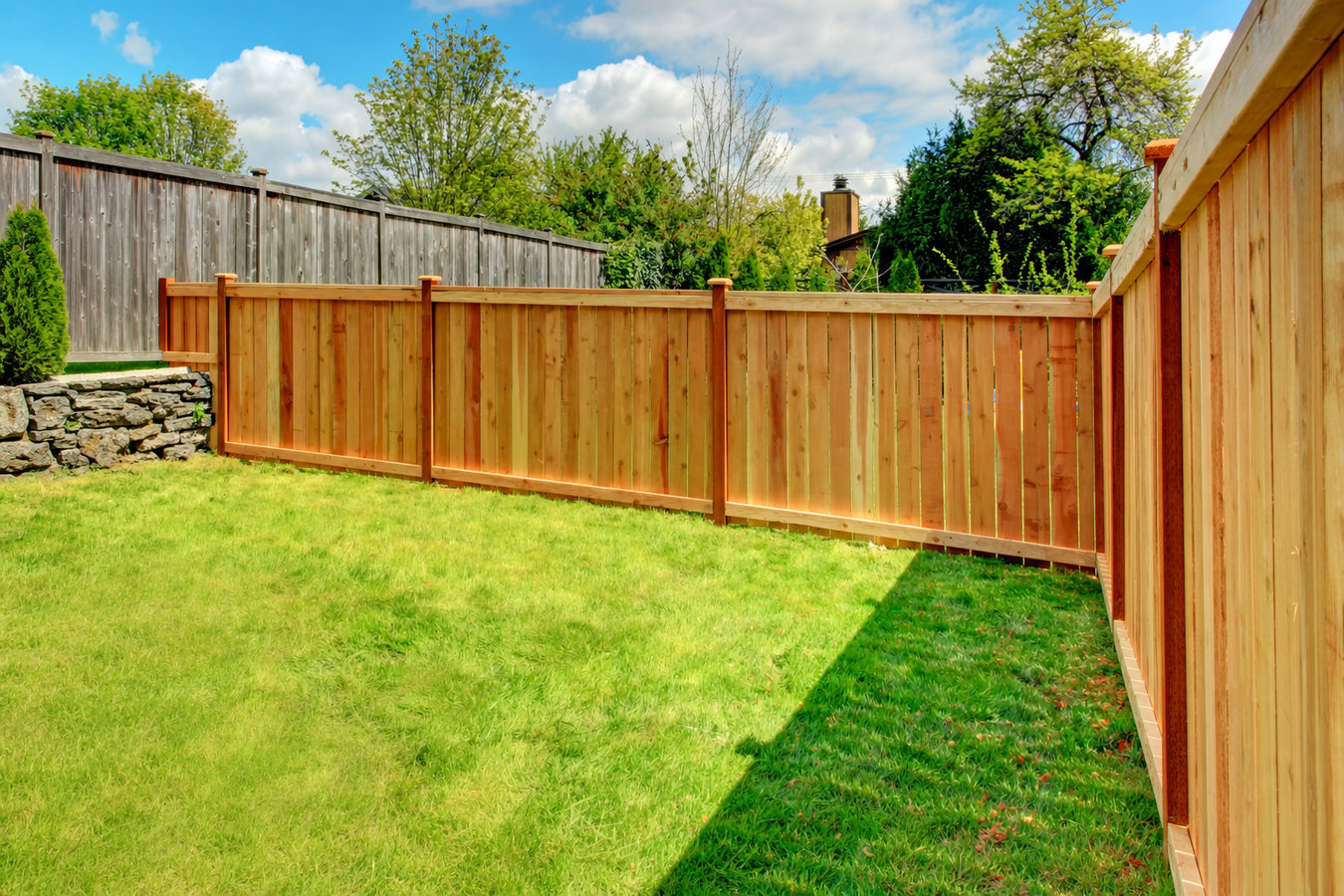
A wood privacy fence turns your yard into a private space. We build cedar and redwood fences with posts set deep enough to handle Chula Vista soil and wind - so it looks right for years, not just weeks.
Wood and privacy fence installation in Chula Vista typically uses cedar or redwood boards set in concrete posts, most residential privacy fences take two to four days from post setting to final walkthrough, with 24 to 48 hours of curing time built in between days.
A privacy fence is one of the fastest ways to change how comfortable and usable your yard feels - it adds a visual barrier from the street and neighboring properties, gives kids and pets a clearly defined outdoor space, and cuts down on street noise in ways homeowners often underestimate until the fence is up. In Chula Vista, where a lot of neighborhoods are densely developed and HOA rules govern what you can build, getting the design and permit work right from the start matters as much as the quality of the boards. If you are comparing wood and vinyl and want to understand the trade-offs, take a look at our vinyl fence installation page - some homeowners prefer the low-maintenance appeal of PVC, while others specifically want the character of real wood.
Either way, the most important part of any wood fence installation is the posts. Posts set too shallow, or in soil that was not properly accounted for, will lean or fall long before the wood itself gives out. We build for Chula Vista conditions from the start so you are not calling us back in three years to fix a leaning fence.
If you can push on a fence post and feel it move, or if sections are visibly tilting, the posts have likely failed at the base. In Chula Vista's clay-heavy soils, this happens when posts were not set deep enough or when years of soil expansion and contraction have worked the concrete loose. A leaning fence is a liability if it falls on a neighbor's property.
Boards that are splitting or pulling away from the rails are breaking down - the wood has dried out and lost its integrity. In Chula Vista's eastern neighborhoods, intense heat and dry Santa Ana winds speed up this process. Once boards start splitting they will not recover, and if more than a third are affected a full replacement is typically more cost-effective than patching.
If your fence came through a recent Santa Ana wind season with broken rails, missing boards, or sections now out of alignment, that is a sign the structure needs attention. Wind damage often looks minor on the surface but can compromise posts and rails in ways that only show up during the next strong wind event.
In Chula Vista's many HOA-governed communities, associations inspect properties and issue notices when fences fall below community standards. If you have received a written notice you are typically working against a deadline - acting quickly gives you more time to choose a contractor carefully rather than hiring whoever is available fastest.
We build privacy fences using Western Red Cedar and California Redwood - both naturally resist rot and insects without chemical treatment, which matters in a climate that swings between coastal moisture near the bay and intense dry heat in the eastern neighborhoods. Cedar costs a little less and works well for most projects; redwood lasts a little longer and is worth the premium for homeowners who plan to stay long-term. If your current fence is already falling apart and you are not ready to commit to a full replacement yet, it may be worth a quick look at screened-in porches and screened decks as a way to enclose part of your outdoor space while you decide on the fence project.
We also build board-on-board privacy fences, where boards overlap slightly on alternating sides so there are no gaps even when the wood dries and shrinks during summer. This construction style works particularly well in Chula Vista yards that back up to alleys or heavily traveled streets where total visual privacy matters. If your comparison is between wood and vinyl, our vinyl fence installation page covers the material differences in detail - both are good choices, and the right one depends on your goals, your HOA, and how much ongoing maintenance you want to take on.
Cedar naturally resists rot and insects, costs a little less than redwood, and takes stain or paint well - a solid choice for most Chula Vista backyards.
Redwood lasts a little longer than cedar in coastal conditions and has a warm, rich tone - a good fit for homeowners who want the best and plan to stay long-term.
Boards overlap slightly so there are no gaps even when the wood shrinks in dry weather - popular in Chula Vista neighborhoods where full privacy from both sides matters.
Shaped tops add a finished, custom look without adding to the cost - works well for HOA communities that require a consistent decorative style.
Chula Vista has several conditions that make fence installation more involved than in other cities. The clay-heavy soils in older western neighborhoods expand when wet and contract when dry, which puts stress on fence posts over time if they were not set deep enough to begin with. Santa Ana wind events, which hit San Diego County several times a year - typically in fall and winter - put real force on fence panels, and a fence with shallow posts will eventually lean or fall. We account for both when we set posts: deeper holes, wider concrete footings, and checking soil conditions on-site before we dig. Homeowners in Spring Valley and Lemon Grove deal with similar soil and wind conditions and benefit from the same approach.
The other major local factor is HOA prevalence. A large share of Chula Vista's residential neighborhoods - Eastlake, Otay Ranch, and Rolling Hills Ranch in particular - are governed by associations that specify what fence materials, colors, and heights are allowed. Some require written approval before any work begins. Getting the HOA submission wrong or skipping it entirely can result in having to remove finished work at your own expense. We check your HOA's requirements before drawing up any plans and handle the approval paperwork as part of the job. The City of Chula Vista Development Services department handles permit applications, and we manage that process for you from submission to approval.
We visit your yard to measure the fence line, assess soil and slope conditions, and ask about HOA rules. You get a written quote that breaks out materials, labor, permit fees, and old fence removal separately.
If your fence needs a city permit or HOA submission, we manage both. Permit timelines at the City of Chula Vista typically run a few days to a few weeks for straightforward residential fences - we keep you updated throughout.
The first day is entirely about posts: we dig holes, set posts in concrete, check that everything is plumb, then wait 24 to 48 hours for the concrete to cure. This is what makes the fence solid for the long term.
Once posts are set, rails and boards go up, then gates are hung and adjusted for smooth operation. We walk the fence line with you before leaving - check that boards are even, posts do not wobble, and gates latch cleanly.
We respond to all new inquiries within one business day. If you submit a request online, expect a call or message back the same day or the following morning.
We handle permits, HOA approvals, and utility locating. No obligation to move forward.
(858) 341-2115Clay soils in parts of Chula Vista expand and contract with every rain cycle, and Santa Ana winds put serious pressure on under-built fences. We set posts with the depth and concrete footing size that accounts for both - so your fence stays straight after a wet winter and standing after a wind event.
We are familiar with fence requirements in Otay Ranch, Eastlake, Rolling Hills Ranch, and other Chula Vista planned communities. We check your HOA's approved materials, heights, and styles before designing anything, and handle the architectural review submission on your behalf.
Every required permit goes through the City of Chula Vista before the crew arrives. Our California contractor license is verifiable on the CSLB website. Permitted, inspected work protects you if you ever sell your home - and protects you from fines now.
Both wood species naturally resist rot and insects, which matters in Chula Vista's coastal moisture and heat. We source material suitable for the local climate and recommend sealing within the first year to get the full 15-to-20-year lifespan these species are capable of.
You can look up our California contractor license on the California Contractors State License Board website before signing anything - it shows current license status, insurance, and any disciplinary history. That transparency is something every homeowner in Chula Vista deserves before any crew shows up at their property.
Enclose a porch or deck to add year-round usable outdoor space alongside your new privacy fence.
Learn MoreIf low maintenance is your priority, vinyl PVC panels offer similar privacy without any painting, staining, or sealing over time.
Learn MoreReach out now for a free estimate - we are currently booking projects and spots fill up fast once the busy season starts.